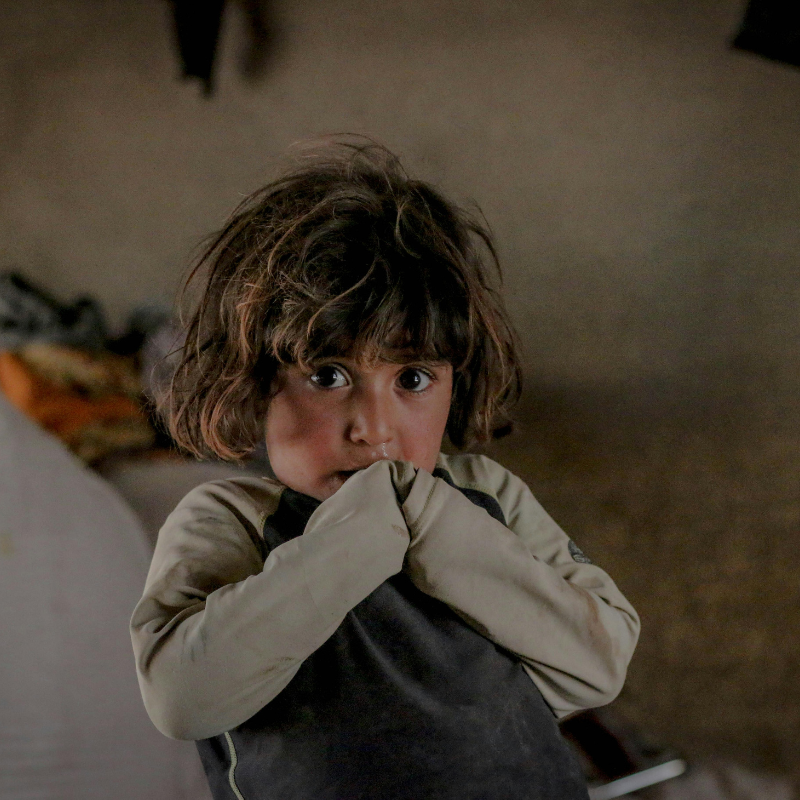
Across Europe, many young people grow up in alternative care systems—such as foster families or residential homes. These young people often face barriers that go beyond material needs: limited access to information, reduced participation in civic life, and a higher risk of social exclusion. In this context, EU citizenship becomes more than a legal status—it is a tool for inclusion, empowerment, and participation.
According to the European Youth Portal, promoting social inclusion, active citizenship, and solidarity is a key priority of EU youth policy. This is particularly relevant for minors in care, who are often excluded from opportunities that EU citizenship is meant to ensure.
Access to Socio-Political Information
Access to information is essential for participation. However, minors in care often lack exposure to civic education, EU rights, and engagement opportunities. Without this knowledge, EU citizenship risks remaining abstract.
EU initiatives aim to provide young people with accessible information about their rights. Yet for minors in care, access must be actively supported. Youth workers, educators, and care systems have a crucial role in making this information available and meaningful. Understanding how institutions work and how to participate in society is a first step toward empowerment.
Social Exclusion and Participation
Young people in care are at higher risk of social exclusion. This includes not only economic disadvantage, but also limited involvement in decision-making and community life.
The EU emphasizes participation as a core dimension of inclusion. Participation is not only about voting—it is about being heard and shaping one’s future. For minors in care, this can be transformative: it builds confidence, strengthens social connections, and challenges stigma.
However, participation requires support. Safe spaces and inclusive opportunities are essential. Erasmus+ youth projects can play a key role by offering environments where young people in care can express themselves and engage with peers across Europe.
The EU as a Framework for Inclusion
The European Union provides a framework that promotes equal opportunities, access to rights, and active participation. For minors in care, this goes beyond national systems and offers a shared vision of inclusion.
EU programmes create opportunities for mobility, learning, and exchange. These experiences can broaden perspectives and reduce feelings of marginalization.
EU citizenship also reinforces a sense of belonging. It reminds young people that they are part of a wider European community, regardless of their personal circumstances.
A Political and Educational Commitment
Promoting EU citizenship among minors in care is both an educational and political commitment. It means recognizing that inclusion is not only about services, but also about participation and agency.
From an educational perspective, it involves fostering civic awareness and critical thinking. From a political perspective, it means ensuring that all young people can take part in democratic life.
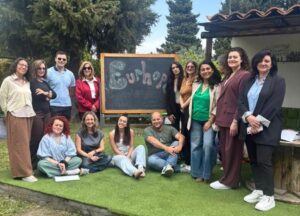
Erasmus+ projects like EURHOPE are key in turning these values into practice, creating inclusive spaces where young people can learn, connect, and participate.
Conclusion
EU citizenship matters for minors in care because it connects rights with real opportunities. It supports participation, inclusion, and a sense of belonging. Making EU citizenship accessible and meaningful—especially for the most vulnerable—is essential to ensure that no young person is left behind.